

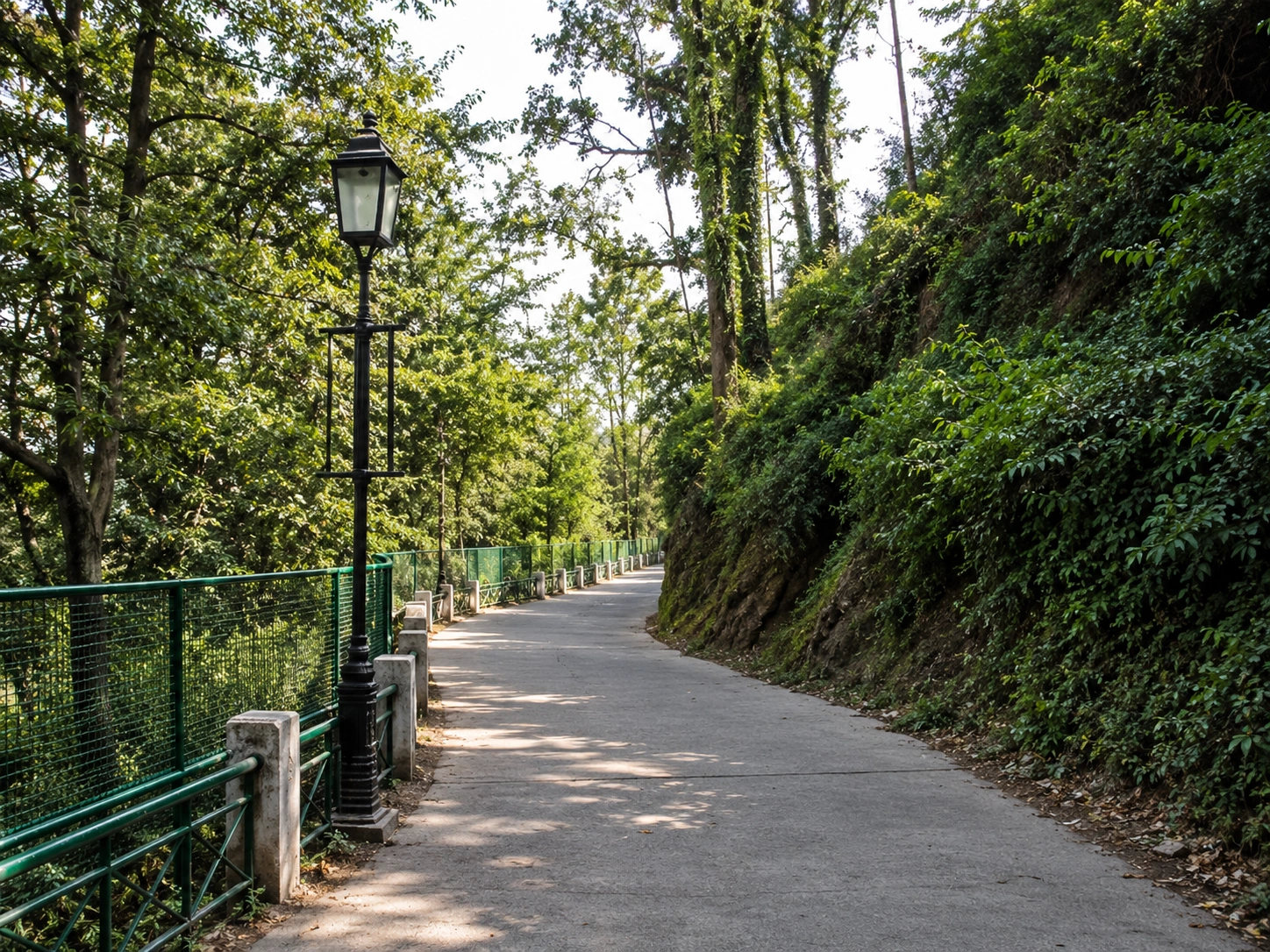
Camel’s Back Road: Why Every Mussoorie Visitor Should Take This Scenic Walk
Quick Summary
Not every hill-station experience needs to involve crowded markets, busy roads or a long sightseeing list. Camel’s Back Road offers a slower way to enjoy the mountains, where the walk itself becomes the experience. As you move along the route, you get changing views of the hills, peaceful corners, old landmarks and open stretches that are perfect for taking a break.
Located in Mussoorie, this scenic route is a nice option for travellers who want to enjoy nature at an easy pace. Whether you visit in the morning for a peaceful walk or later in the day for golden mountain views, the route has a relaxed charm. This guide covers the trail’s history, walking route, sunrise and sunset experience, and photography tips to help you plan your visit.
What You’ll Learn in This Blog:
In this guide, you will learn:
- Why Camel’s Back Road is famous in Mussoorie
- The history behind the walking trail
- Where the camel-shaped rock formation is located
- What the walking route is like
- The best time for sunrise and sunset views
- Useful photography tips for capturing the landscape
- What to carry for a comfortable walk
- Whether the route is suitable for families and casual walkers
- Answers to common questions about Camel’s Back Road
Introduction
If you want to experience a quieter side of the hills, Camel’s Back Road is one of the easiest walks to add to your trip. Instead of spending all your time around crowded markets and busy tourist spots, this scenic road gives you a chance to slow down and enjoy the mountains, trees and open valley views.
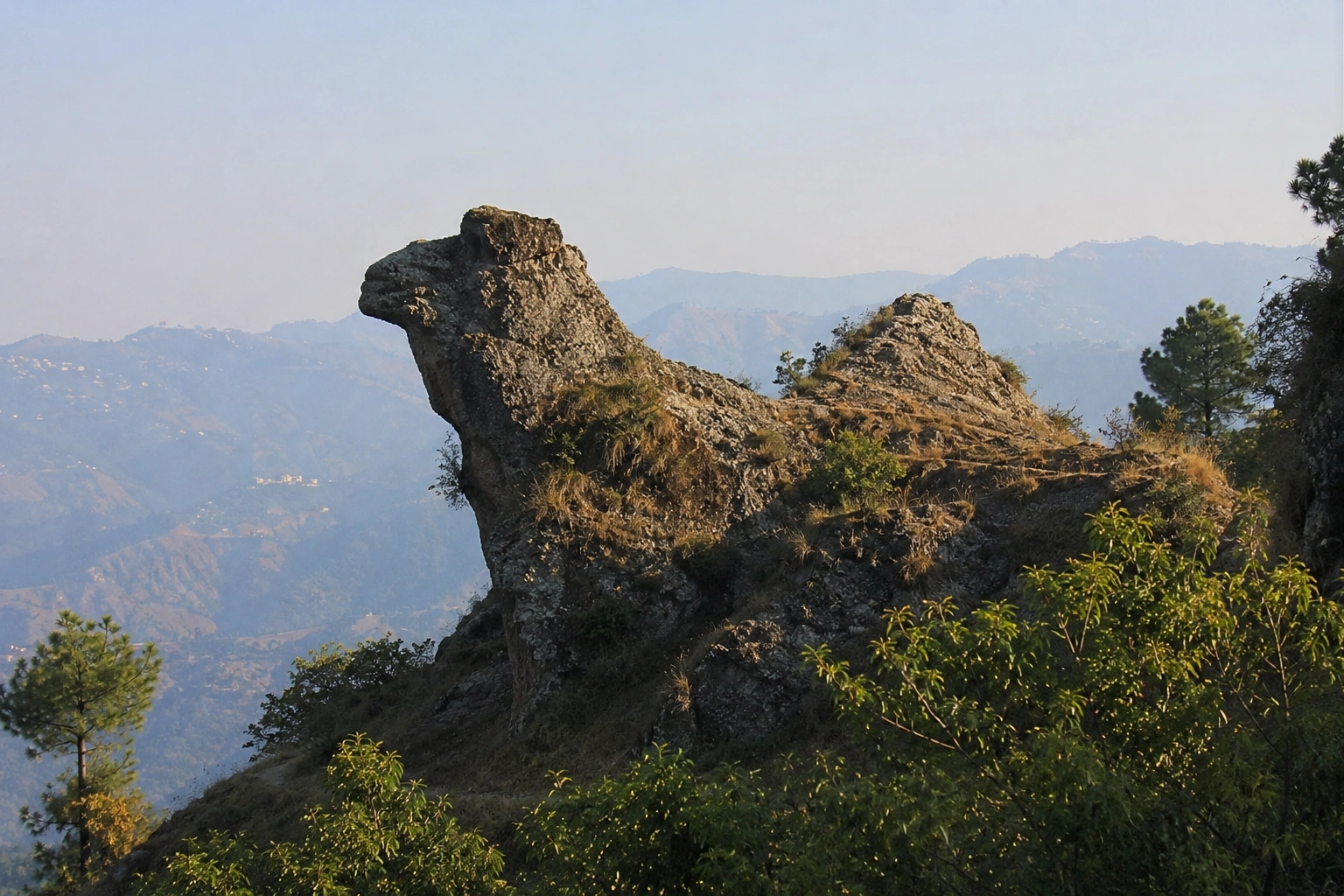
The road is around 3 km long and connects the Library Chowk side with Kulri Bazaar. It gets its name from a natural rock formation that looks like the hump of a sitting camel. The route has been a walking and leisure spot for generations and is still popular with visitors who want a relaxed outdoor experience.
What makes the walk interesting is that there is no need to plan a difficult trek. You can simply walk at your own pace, stop at viewpoints, enjoy the scenery and take photographs along the way. On clear days, the route also offers views towards the Doon Valley and distant Himalayan ranges.
This guide covers the history of the trail, sunrise and sunset views, the walking route and simple photography tips. If you are visiting Mussoorie for the first time, it will help you understand what to expect before adding this peaceful walk to your itinerary.
History of the Trail
Camel’s Back Road has been part of Mussoorie’s walking culture for a long time. Travel records commonly place its construction around 1845, when it was developed as a walking route offering views of the surrounding mountains. The road was designed more for enjoying the landscape than for reaching a major tourist attraction.
The name comes from the natural rock formation along the route. When viewed from the right angle, the rocks resemble the back and hump of a camel, which is why the road became known as Camel’s Back Road.
The route also has an old colonial connection. A historic Christian cemetery lies along the road and adds another layer of history to the walk. There is also a traditional shelter known as Hawa Ghar, where visitors can stop and enjoy the mountain views.
Over the years, the road has remained popular because it offers something different from the busy Mall Road. You can still enjoy the same mountain atmosphere without needing to travel far outside central Mussoorie.
What makes the trail special?
The charm of the route comes from the combination of nature, history and an easy walking experience. You can enjoy the route without treating it like a serious trek.
Along the way, you may come across:
- The natural camel-shaped rock formation
- Views towards the Doon Valley
- The historic cemetery
- Hawa Ghar and other resting points
- Green hills and trees
- Open sections suitable for photography
The route is also close to other popular parts of Mussoorie, making it easy to include in a larger sightseeing plan.
For travellers searching for a Mussoorie scenic road where they can enjoy the surroundings at a slower pace, this is one of the better options.
Sunrise & Sunset Views
One of the biggest reasons people walk along Camel’s Back Road is the changing mountain light. The route offers open sections where you can enjoy the sky and surrounding hills without the feeling of being surrounded by large buildings.
Early morning can be peaceful, especially if you prefer a quieter walk. The cooler air and soft light make the route comfortable for walking, while clear mornings can give you better views of distant mountains.
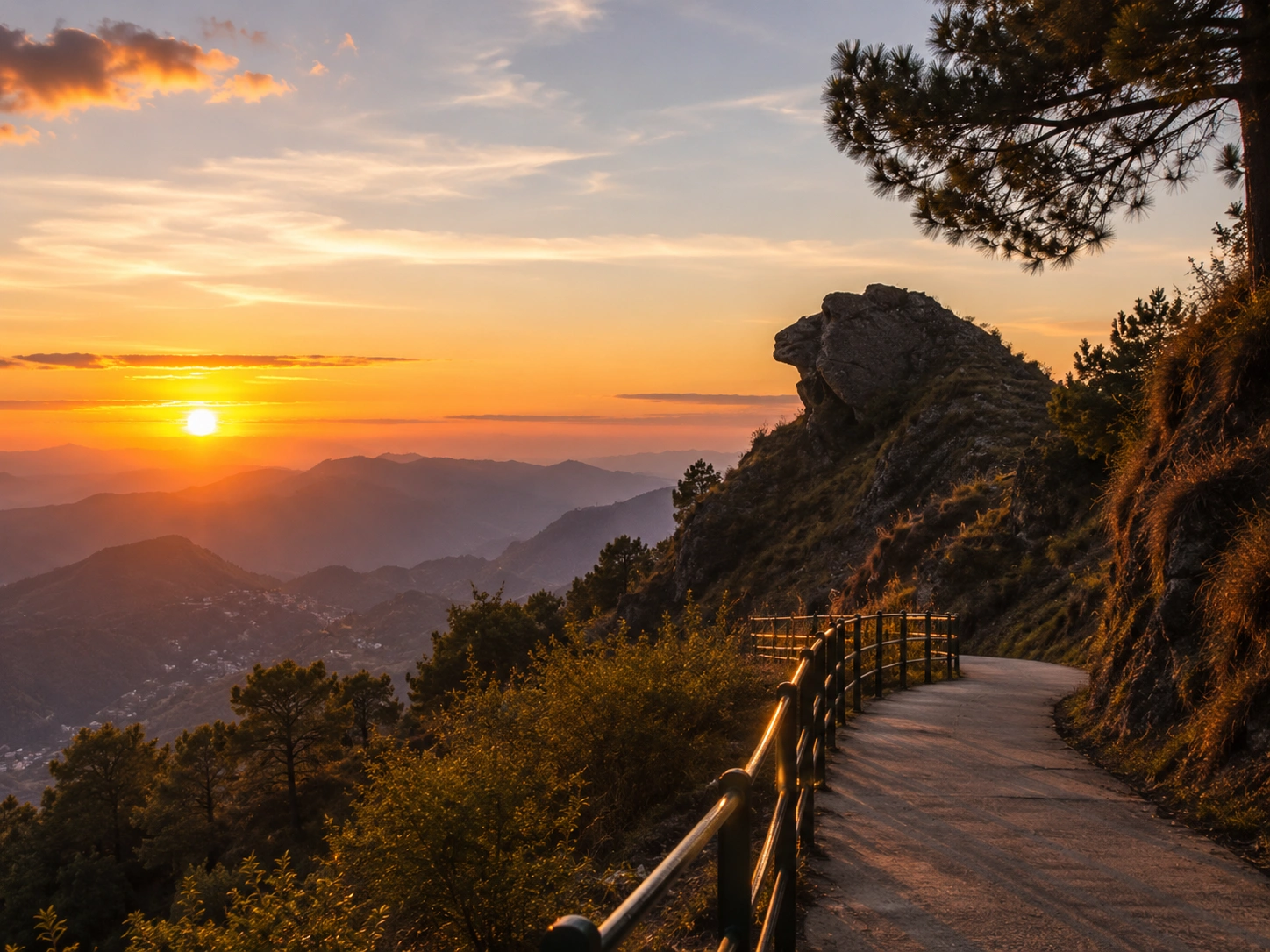
Sunset is another popular time. The natural camel-shaped rock formation becomes an interesting part of the landscape as the light changes, creating a pleasant setting for a relaxed evening walk.
The exact experience will depend on the weather. Clouds, mist and seasonal conditions can cover distant peaks, but they can also create a beautiful atmosphere across the hills.
Which time is better?
| Time | What you can expect | Best for |
|---|---|---|
| Early morning | Cooler air and quieter surroundings | Peaceful walks |
| Late afternoon | Softer light and comfortable weather | Walking and photography |
| Sunset | Warm sky and mountain silhouettes | Sunset views |
| Monsoon | Misty and green surroundings | Nature lovers, with extra care |
If you are planning to watch the sunset, do not wait until the last few minutes to start walking. Give yourself enough time to reach a comfortable viewing point and return before the route becomes too dark.
During clear evenings, the changing colours across the hills can make the walk especially enjoyable. For sunrise, plan your transport and walking route in advance, as some sections may be quieter and less active early in the morning.
Whether you choose sunrise or sunset, the main attraction is not a single fixed viewpoint. The changing landscape along the road is what makes the walk enjoyable.
Walking Route
The walking route is relatively simple compared with a proper mountain trek. Camel’s Back Road generally stretches between the Library Point or Library Chowk side and Kulri Bazaar, covering roughly 3 km.
You can start from either end. If you begin near Library Point, you can walk towards Kulri Bazaar, or you can start from the Kulri side and head towards Library. The choice mostly depends on where you are staying and what you want to explore afterwards.
The route is suitable for a relaxed walk rather than a fast hike. Take your time, stop at viewpoints and enjoy the trees and mountain scenery. You may also find benches or resting areas along parts of the route.
If you do not want to walk the complete stretch, you do not have to. You can walk for a shorter distance, enjoy the views and return the same way or use available local transport depending on the location and time.
A simple walking plan
A first-time visitor can follow a simple route:
Library Point → Camel’s Back Road → historic cemetery → viewpoint/Hawa Ghar area → camel-shaped rock → Kulri Bazaar
The exact order of landmarks can vary depending on your starting point, but the main idea is to keep the walk relaxed rather than trying to cover every point quickly.
Comfortable shoes are important because even an easy hill walk can become tiring on uneven surfaces. During the monsoon, some areas may also become slippery, so extra care is needed.
There are shops and food options around the main ends of the route, but you should not expect a continuous line of shops throughout the entire walk. Carry water and a small snack if you plan to spend more time outdoors.
If you are travelling with older family members or children, choose a shorter section rather than forcing everyone to complete the full route. The best part of this experience is being able to enjoy it at your own pace.
For travellers looking for a Mussoorie walking trail close to the main tourist area, Camel’s Back Road is a convenient choice.
Photography Tips
Camel’s Back Road offers many simple photography opportunities without requiring professional equipment. The combination of mountain slopes, trees, open skies, old structures and the camel-shaped rock gives you different subjects during one walk.
For landscape photographs, use a wide frame so you can include the hills and sky. Early morning and late afternoon usually provide softer light than the middle of the day.
The natural rock formation is one of the obvious subjects, but do not focus only on it. Try photographing the road curving through the landscape, trees framing the valley and the changing colours of the sky.
The historic cemetery and Hawa Ghar can also add a different character to your photographs. Be respectful around the cemetery and avoid disturbing the site while taking pictures.
Simple tips for better photographs
- Visit during early morning or late afternoon for softer light.
- Use a wide-angle frame for mountain views.
- Keep the horizon straight.
- Photograph the camel-shaped rock from different angles.
- Include trees or the walking path to add depth.
- Keep your camera or phone lens clean.
- Avoid standing too close to road edges for a photograph.
- During sunset, reach your chosen spot before the light becomes low.
If you are using a smartphone, the normal camera mode is usually enough. You do not need heavy filters to make the landscape look attractive. Natural light and a clean composition will usually give better results.
Cloudy weather should not automatically stop you from taking photographs. Mist can create a softer mountain atmosphere, while patches of sunlight can make the hills look more dramatic.
The Camel’s Back viewpoint is especially useful if you want to capture the surrounding mountains from an elevated position. However, take photographs along the walk rather than stopping at every few metres. Keep some time to simply enjoy the view without looking through your camera.
Conclusion
Camel’s Back Road is a simple yet memorable way to experience the quieter side of Mussoorie. With its mountain views, peaceful walking route and unique rock formation, it is a good choice for travellers who want to enjoy nature without planning a difficult trek.
If you are also exploring Mussoorie for shopping, Kashmiri Sons can be a natural stop during your trip, especially if you are looking for traditional and designer ethnic wear for weddings, celebrations or special occasions.
Take your time, wear comfortable shoes and choose a clear morning or evening for the best views. A relaxed walk along the road can easily become one of the most enjoyable parts of your Mussoorie visit.
People Also Ask
What makes Camel’s Back Road a popular spot in Mussoorie?
Camel’s Back Road is a scenic walking route known for mountain views, peaceful surroundings and its natural camel-shaped rock formation.
Why is it called Camel’s Back Road?
The road gets its name from a group of rocks that resembles the hump of a resting camel when viewed from a particular angle.
How far is the Camel’s Back trek from Nainital?
Camel’s Back Road is in Mussoorie, not Nainital, so there is no separate Camel’s Back trek in Nainital with the same location.
When was Camel’s Back Road developed in Mussoorie?
The road dates back to the British era and is generally associated with the development of Mussoorie’s walking routes in the mid-19th century.
Frequently Asked Questions
Is Camel’s Back Road suitable for a casual walk?
Yes. It is a popular walking route in Mussoorie and is suitable for visitors who want a relaxed outdoor experience without planning a difficult trek.
How long does it take to walk Camel’s Back Road?
The main stretch is around 3 km, and most visitors can explore it comfortably in about 1–2 hours depending on stops and photography.
Where does Camel’s Back Road start and end?
The route generally connects the Library Point or Library Chowk side with Kulri Bazaar, making it easy to access from central Mussoorie.
Can families walk along Camel’s Back Road?
Yes, families can enjoy the route, but children and older visitors should be given enough time to walk comfortably and take breaks when needed.
Is Camel’s Back Road worth visiting in the evening?
Yes. Late afternoon and sunset are popular times because of the softer light and mountain views, but start early enough to return safely before it gets too dark.