

Rajaji National Park Safari Guide: Wildlife, Safari Zones & Visitor Tips
Quick Summary
Planning a safari at Rajaji National Park becomes easier when you know the right season, safari zones, wildlife, and basic visitor rules. This guide covers the important details you need for a comfortable and enjoyable wildlife experience in Uttarakhand.
What You Will Learn in This Blog
- About Rajaji National Park and its wildlife
- Animals and birds you may spot during a safari
- Popular safari zones and what makes them different
- How to plan and book your safari
- The best season to visit
- Simple travel tips for a better safari experience
- Common questions about visiting Rajaji National Park
Introduction
If you are planning a wildlife trip around Dehradun, Haridwar, or Rishikesh, a safari in Rajaji National Park can be a great addition to your itinerary. The park is known for its large elephant population, forest landscapes, birds, deer, and the chance of seeing bigger animals such as leopards and tigers. It is also one of the most accessible wildlife destinations in Uttarakhand because it is close to three major cities.
But planning a safari is not just about reaching the forest gate. Choosing the right zone, understanding the safari season, booking your permit, and knowing what to expect can make the experience much easier. Wildlife sightings are never guaranteed, so going with the right expectations is important.
The park covers around 820 sq km and lies across the Shivalik foothills. It was formed in 1983 when the Rajaji, Motichur, and Chilla sanctuaries were brought together as one protected area. Today, the area is an important habitat for Asian elephants and many other species.
In this guide, you will learn about the park, the wildlife you may spot, popular safari zones, booking basics, the best season to visit, and simple tips that can help you enjoy your safari without feeling confused about the process.
About the National Park
Rajaji National Park is located in the foothills of the Himalayas and spreads across areas close to Dehradun, Haridwar, and Rishikesh. Its location makes it a convenient choice for travellers who want to experience the forests of Uttarakhand without travelling too far into the hills.
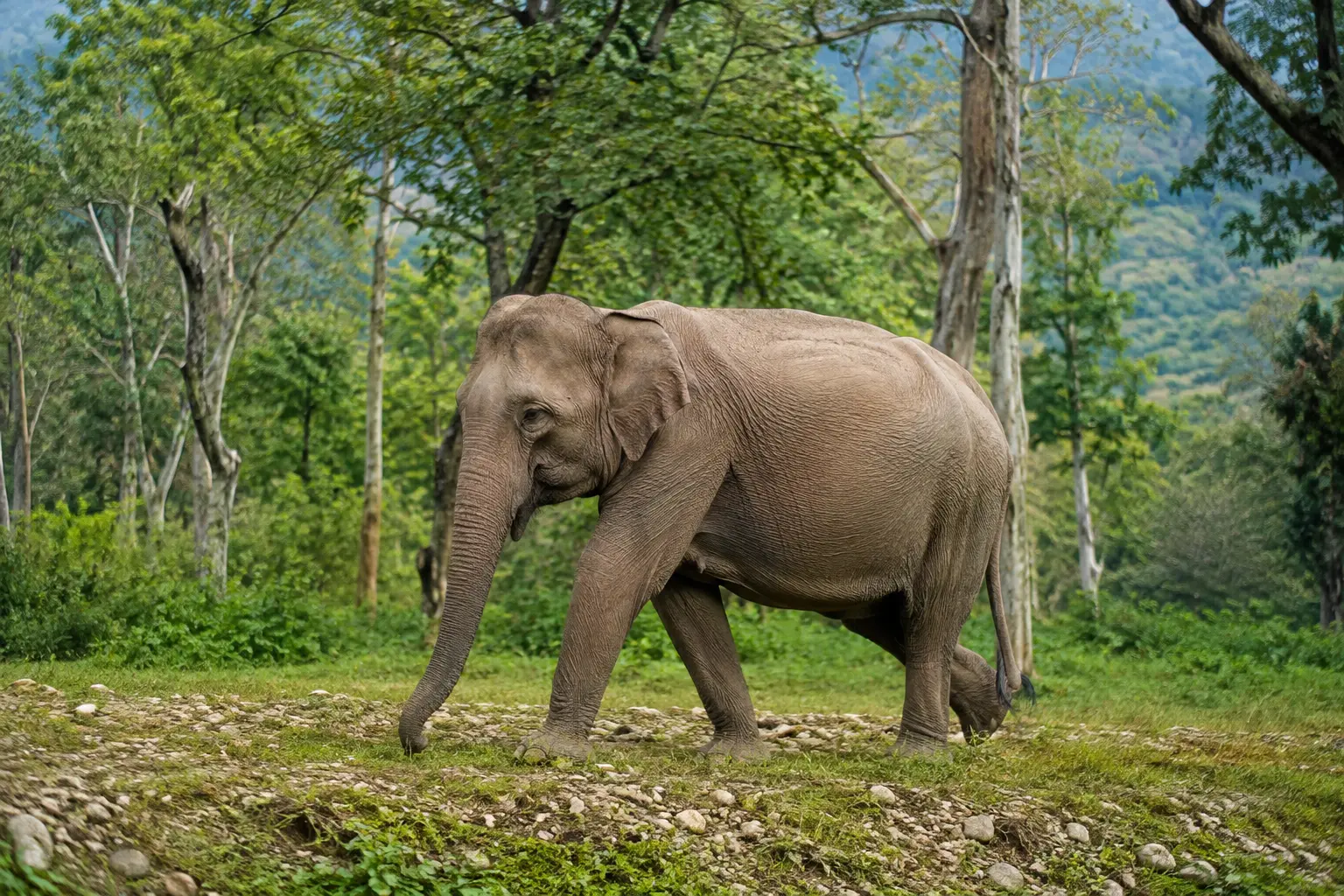
The park is especially famous for its Asian elephants. It lies at the north-western limit of the Asian elephant’s range, which gives the landscape an important role in elephant conservation. Along with elephants, the park supports tigers, leopards, deer, ghorals, wild boars, birds, and many other forms of wildlife.
The landscape is not made up of one type of forest. You can find sal forests, grasslands, riverine areas, and other forest habitats. Rivers and streams also add to the scenery, making a safari about more than just searching for animals.
The park is often considered a good option for people who want to experience an Uttarakhand wildlife sanctuary or protected forest area without planning a long trip. It is also included among the important wildlife destinations promoted for safari and nature experiences in the state.
Why is Rajaji important for wildlife?
Rajaji is an important wildlife landscape because it provides habitat and movement corridors for several large mammals. The combination of forests, grasslands, and river systems supports a wide range of species.
Some of the major wildlife highlights include:
| Wildlife Highlight | What You May Experience |
|---|---|
| Asian elephants | One of the park’s biggest attractions |
| Bengal tiger | Possible sighting, although never guaranteed |
| Leopard | Usually much harder to spot than deer or elephants |
| Spotted deer | Commonly seen in suitable open forest areas |
| Sambar deer | Another important herbivore found in the park |
| Birds | Many resident and migratory species can be seen |
The park is also part of a wider ecological landscape connecting forests across the Shivalik region. This makes conservation here important not only for individual animals but also for maintaining movement between habitats.
For travellers comparing national parks in Uttarakhand, Rajaji offers a different experience from destinations that are mainly known for tiger sightings. Here, elephants and birdlife are major attractions, while a tiger sighting is more of a lucky bonus.
Wildlife You Can Spot
One of the most exciting parts of a safari is not knowing exactly what you will see. Every drive can be different. You might spend a long time looking at the forest and suddenly come across an elephant herd, a group of deer, or a colourful bird sitting on a branch.
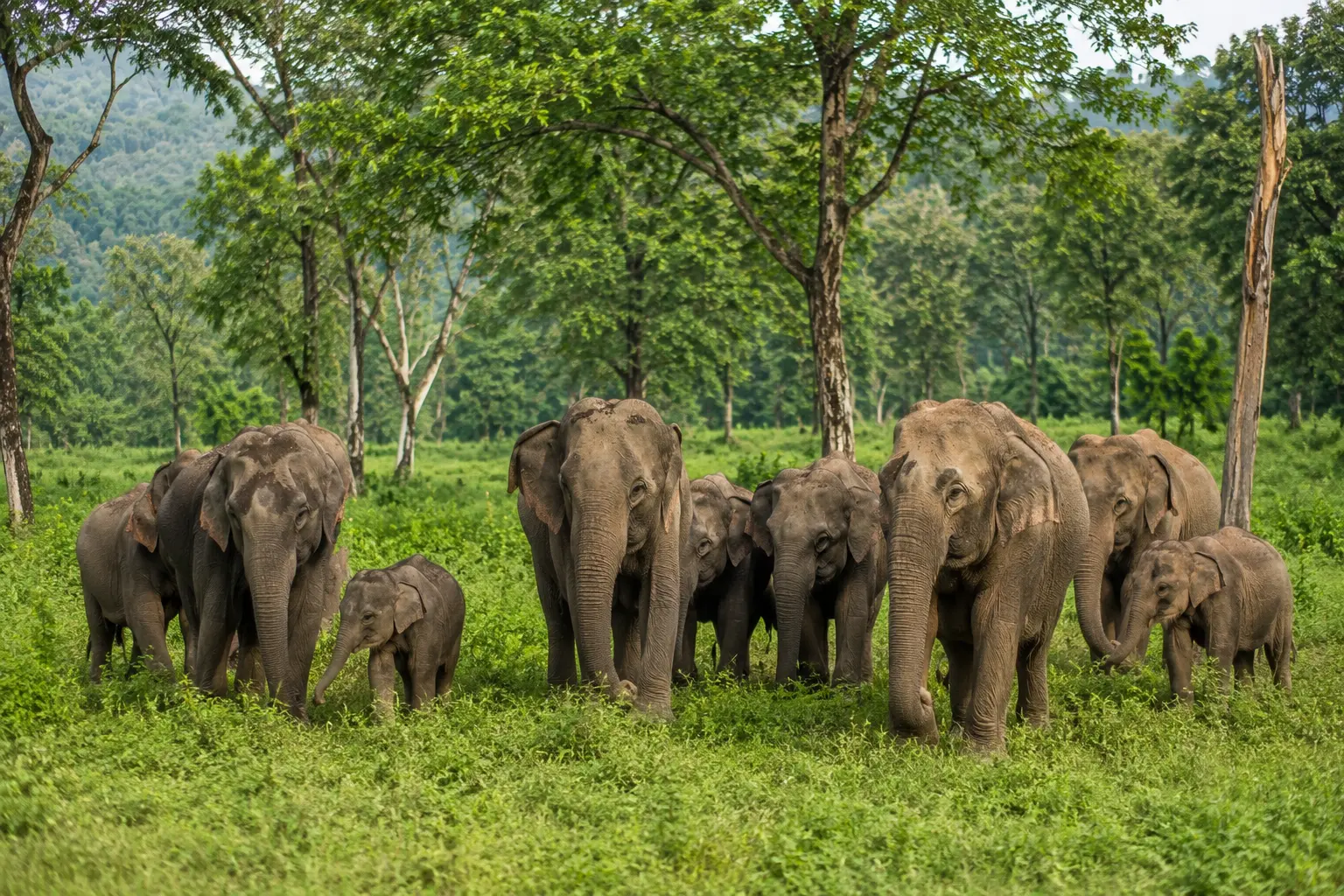
Elephants are among the most famous animals in the park. Depending on the season and location, you may see individual elephants or groups moving through the forest. Seeing them in their natural surroundings can be much more impressive than seeing wildlife in a controlled environment.
Deer are also an important part of the safari experience. Spotted deer, sambar, and barking deer are among the species found in the park. They may be easier to spot than predators, especially in open areas or near suitable forest edges.
Then there are the animals that require much more patience. Tigers and leopards are present in the landscape, but spotting them is never something you should expect on every safari. Even experienced guides cannot control when or where an animal decides to appear.
Animals and birds to look for
- Asian elephant: One of Rajaji’s biggest wildlife attractions.
- Bengal tiger: Present in the reserve, but sightings depend completely on luck and natural animal movement.
- Leopard: A secretive predator that can be difficult to spot.
- Spotted deer: Often seen in open forest areas.
- Sambar: A large deer species commonly associated with Indian forests.
- Barking deer: Smaller and more shy than larger deer species.
- Wild boar: Can sometimes be seen moving through forest areas.
- Ghoral: A mountain goat-antelope species found in suitable rocky habitats.
- Birds: Hornbills, woodpeckers, barbets and many other species can make the safari interesting for birdwatchers.
Bird lovers should not treat the safari only as a big-animal hunt. Rajaji has rich bird diversity, and paying attention to trees, grasslands, water areas, and the sounds around you can make the experience much more rewarding. Recent Uttarakhand tourism material also highlights the park’s significant birdlife.
The most important thing to remember is that wildlife is unpredictable. If you do not see a tiger, it does not mean the safari was unsuccessful. Watching elephants, deer, birds, tracks, trees, and the changing forest landscape is part of the experience.
Safari Booking Guide
Planning a wildlife safari in Uttarakhand becomes much easier when you understand the basic booking process before reaching the park. Safari entry is controlled, and visitors need the required permission or permit for the selected zone and date.
Rajaji has several entry and safari areas, and availability can vary depending on the season and current forest department arrangements. Popular areas associated with safari include Chilla, Motichur, Ranipur, Jhilmil, and other ranges or buffer areas. Different gates can offer different landscapes and wildlife experiences.
Chilla is one of the better-known safari areas and is often chosen by first-time visitors. Motichur is another popular entry area and is relatively accessible from the Haridwar side. Jhilmil is particularly interesting for visitors interested in wetland and grassland habitats and swamp deer.
Rather than choosing a zone only because someone says it is the “best”, think about your location, preferred landscape, availability, and the kind of experience you want. A good guide can also help you understand the area once you are inside the forest.
Popular safari zones
| Safari Area | What Makes It Interesting |
|---|---|
| Chilla | Popular safari area with forests, grasslands, elephants and diverse wildlife |
| Motichur | Accessible area with sal forests and opportunities for elephant, deer and bird sightings |
| Jhilmil | Marshy grassland habitat known for swamp deer and birdwatching |
| Ranipur | A quieter option that offers a different forest experience |
| Mohand / Dehradun side | Useful for travellers approaching the reserve from the Dehradun side, subject to current availability |
The exact availability of zones and entry arrangements can change with season, weather, forest conditions, and official decisions. So it is better to confirm the current opening status before finalising your travel plans rather than depending on an old blog or social media post.
The park’s general tourist season is from November to June, while the main park is closed during the monsoon period. Current entry schedules can vary by zone, so always check the latest official information before booking.
What to keep ready for booking
Before making your safari reservation, keep basic visitor information and identification documents ready. The exact requirements can depend on the booking system and visitor category.
It is also sensible to book ahead during busy travel periods. Safari seats and permits are limited, and popular morning slots can become difficult to get during peak months.
Do not wait until the last minute if your travel dates are fixed. A little planning can save you from changing your entire itinerary later.
Best Season to Visit
The best time to visit Rajaji National Park depends on what kind of experience you want. In general, the park’s tourist season runs from November to June, with the monsoon period being unsuitable for regular tourism access.
Winter is comfortable for travelling and can be pleasant for safari rides. The mornings can feel cold, so carrying a warm layer is useful. The forest can also look very different during this time, and birdwatchers may find the season especially interesting.
As temperatures rise toward summer, animals may spend more time around water sources and open areas. This can sometimes make wildlife easier to locate, but afternoon conditions can become hot. Early morning safaris are generally more comfortable than travelling during the warmer part of the day.
If you are mainly interested in greenery and a cooler climate, the earlier part of the season can be enjoyable. If your priority is spending time looking for animals around water and open areas, the warmer months can also be interesting.
| Season | What to Expect |
|---|---|
| November–February | Cooler weather and comfortable daytime safari conditions |
| March–April | Warmer days with good opportunities for wildlife and birdwatching |
| May–June | Hotter weather; early safari hours can be more comfortable |
| Monsoon | Regular park tourism is generally closed during this period |
The official Uttarakhand Tourism website currently lists November to June as the best broad visiting period and notes that the park is closed during monsoon.
For first-time visitors, November to February can be a comfortable choice if you prefer cooler weather. But there is no single perfect month for everyone. Your travel schedule, weather preference, and wildlife interests should all be considered.
Travel Tips
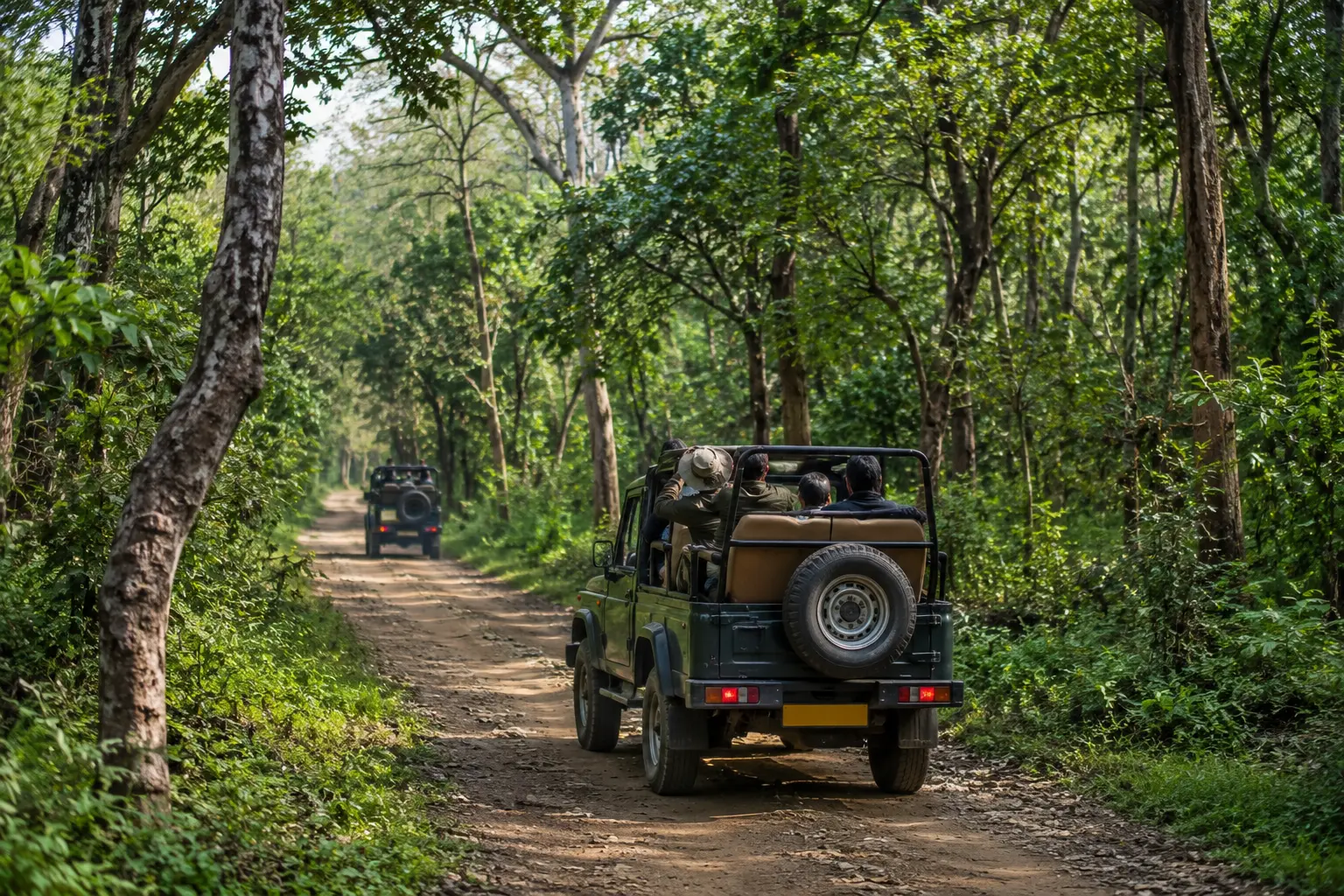
A safari is much more enjoyable when you prepare for the forest rather than treating it like an ordinary sightseeing trip. The roads can be uneven, the weather can change, and you may spend several hours sitting in an open vehicle.
Start with comfortable clothing. Neutral or earthy colours are usually a practical choice, especially if you plan to spend time observing wildlife. Carry a light jacket in winter and protect yourself from the sun during warmer months.
Do not forget basic essentials such as drinking water, sunglasses, sunscreen, and a small amount of personal medication if needed. Keep your belongings secure because safari vehicles can move over rough roads.
A camera or phone can be useful, but try not to spend the entire safari looking at a screen. Some of the best moments happen when you simply watch the forest and listen to what is happening around you.
Simple tips for a better safari
- Reach the gate on time: Safari entry follows a schedule, so avoid arriving at the last minute.
- Carry valid identification: Keep the required ID and booking details with you.
- Dress for the weather: Early mornings can be cold, while summer afternoons can be hot.
- Carry binoculars: They are especially useful for birdwatching.
- Keep your voice low: Loud conversations can disturb wildlife and other visitors.
- Do not feed animals: Feeding wildlife can be harmful to animals and is not appropriate inside a protected area.
- Do not litter: Keep wrappers, bottles, and other waste with you until you find a proper disposal point.
- Listen to your guide: Forest guides know the area and can often help you notice tracks, calls, birds, and animals.
- Be patient: Wildlife may appear for only a few seconds, or you may not see certain animals at all.
- Respect the forest: Never ask the driver to chase an animal or move too close for a photograph.
If photography is important to you, carry a camera with a suitable zoom lens if possible. But remember that a safari is not a photo shoot. The welfare of the animal and the rules of the protected area should always come first.
For people searching for a jungle safari near Dehradun, the location of Rajaji makes it a practical wildlife option. However, the best entry point depends on where you are staying and which safari zone is open on your travel date.
It is also worth keeping some flexibility in your itinerary. Weather, forest conditions, animal movement, and temporary gate restrictions can sometimes affect safari plans. Checking the latest information shortly before travelling can prevent unnecessary surprises.
A final tip is to keep your expectations realistic. You may see an elephant herd within minutes, or you may spend hours looking for one. That uncertainty is actually part of what makes a forest safari different from a normal tourist attraction.
Conclusion
A safari at Rajaji National Park is a great way to experience the natural side of Uttarakhand. From elephants and deer to beautiful forest landscapes and a chance of spotting bigger wildlife, every safari can be a little different. The key is to choose the right season, plan your safari in advance, and enjoy the forest without expecting guaranteed sightings.
If you are visiting Dehradun and planning a longer Uttarakhand trip, you can also explore the city’s local culture, food, and shopping experiences along the way. For those looking to shop for traditional or designer outfits during their stay, Kashmiri Sons can be a convenient addition to your Dehradun itinerary.
Whether your trip is focused on wildlife, nature, or discovering the local side of Dehradun, a little planning can help you make the most of your time in Uttarakhand.
People Also Ask
What is Rajaji National Park famous for?
Rajaji National Park is mainly known for its Asian elephants, rich forests, birdlife, and diverse wildlife. Tigers, leopards, deer, and other animals can also be found here.
What type of national park is Rajaji?
Rajaji is a protected wildlife area in Uttarakhand, located in the Shivalik foothills. It is especially important for elephant conservation and supports many species of mammals and birds.
Is Rajaji National Park worth visiting?
Yes, especially if you enjoy nature, wildlife, and jungle safaris. The chance to see elephants, deer, birds, and other wildlife makes it a popular experience in Uttarakhand.