

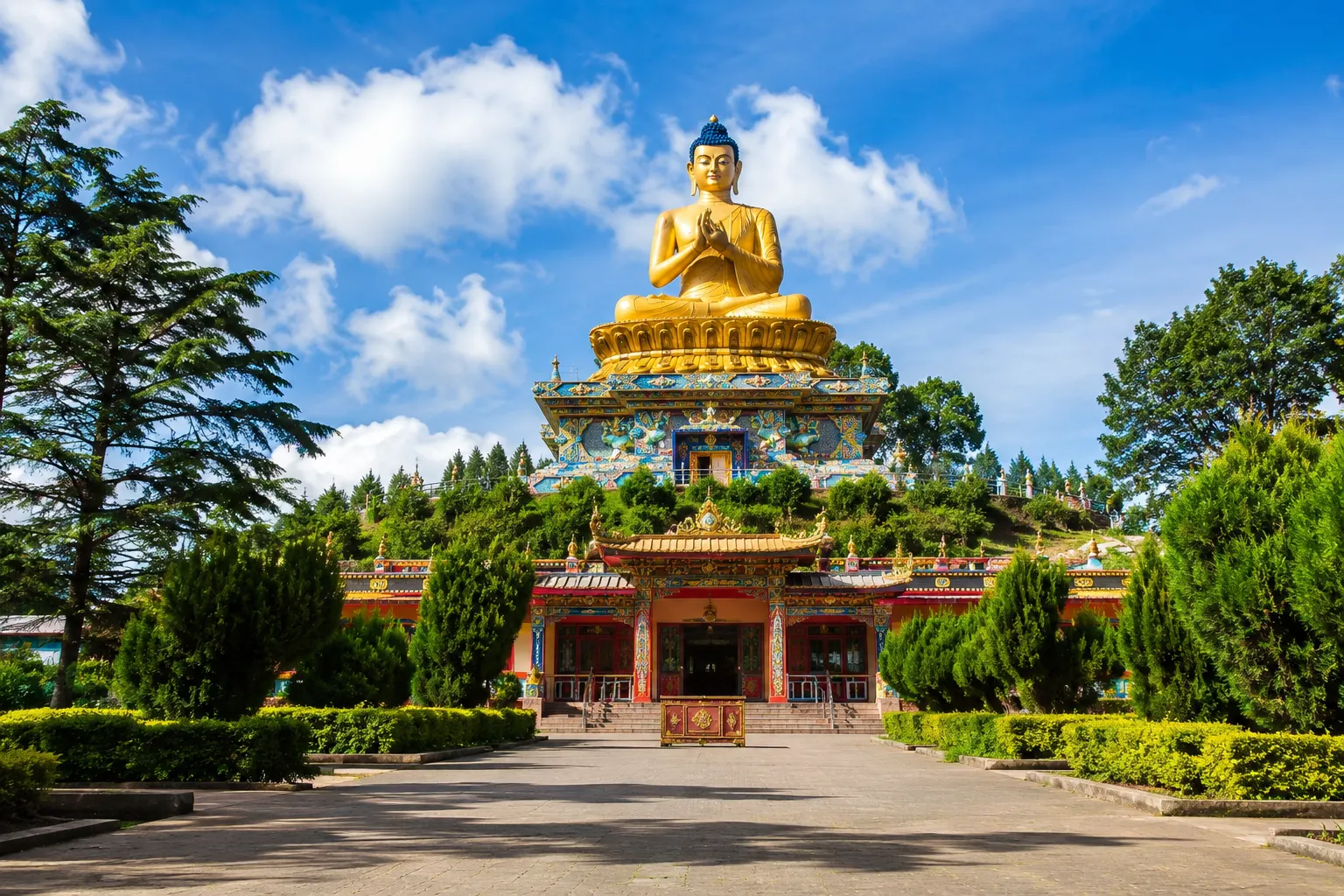
Mindrolling Monastery: A Peaceful Retreat Every Visitor Should Experience in Dehradun
Quick Summary
Mindrolling Monastery is one of the most peaceful and culturally interesting places to visit in Dehradun. Known for its colourful Tibetan architecture, impressive Great Stupa, Buddhist artwork, and calm surroundings, it offers visitors a chance to experience the spiritual and cultural side of the city.
What You Will Learn:
- The history and importance of Mindrolling Monastery
- What makes its Tibetan architecture special
- The main things to see during your visit
- Simple visitor guidelines to follow
- Nearby attractions you can explore
- Tips to make your Dehradun visit more enjoyable
Introduction
Dehradun is known for its green surroundings, pleasant weather and a mix of historical, religious and cultural places. Among the many attractions in the city, Mindrolling Monastery stands out for its peaceful atmosphere, beautiful Tibetan-style architecture and strong spiritual connection.
Located in Clement Town, the monastery is one of the important Buddhist centres in India. The large complex attracts visitors not only because of its religious importance but also because of its impressive buildings, gardens, prayer spaces and the huge Buddha statue.
For someone visiting Dehradun for the first time, the monastery can be a refreshing break from busy city sightseeing. You do not need to be a Buddhist or a religious person to enjoy the peaceful surroundings. Many people simply visit to sit quietly, walk around the gardens, admire the architecture or learn more about Tibetan Buddhist traditions.
The monastery is also a good place to understand the influence of Tibetan culture in Dehradun. The city has a long association with Tibetan communities, and places like this have helped preserve their traditions, art and spiritual practices.
If you are planning a visit, this guide will help you understand the history of the monastery, its architecture, things to see, visitor guidelines and attractions that you can explore nearby. 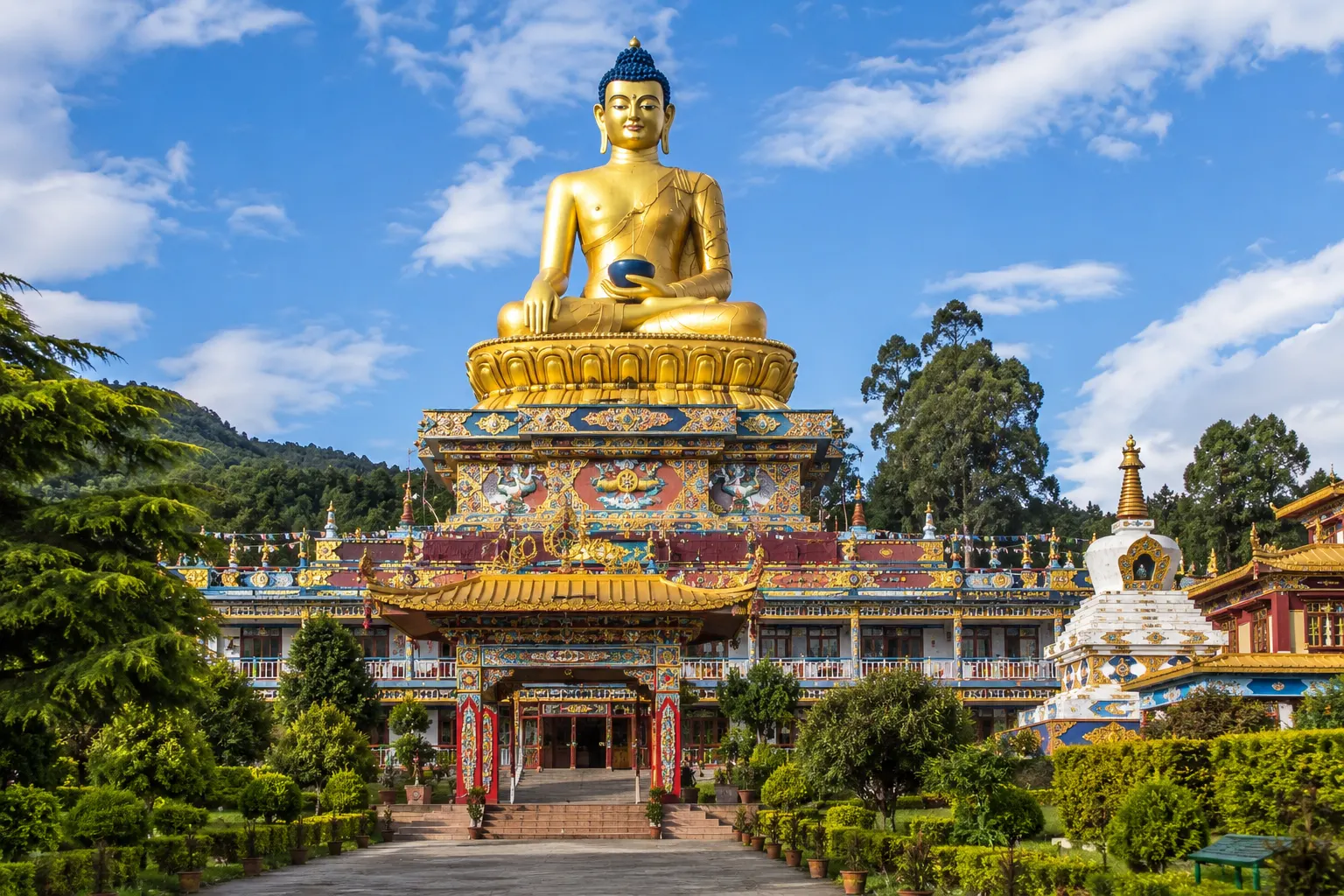
History of the Monastery
The history of Mindrolling Monastery is closely connected with the Tibetan Buddhist tradition and the Tibetan community that settled in India after leaving Tibet. The original Mindrolling Monastery was established in Tibet in the 17th century and became an important centre for Buddhist learning and practice.
The Dehradun monastery was established by Tibetan Buddhist masters and followers who wanted to continue their spiritual and cultural traditions in India. Over the years, it developed into an important centre for the Nyingma school of Tibetan Buddhism. The monastery is now one of the better-known spiritual landmarks in Dehradun.
For visitors, the historical importance of the place can be seen through its buildings, artwork, prayer spaces, and peaceful atmosphere. You do not need to be a Buddhist or have deep knowledge of Buddhism to appreciate the surroundings. The monastery welcomes people who come to learn, observe, pray, or simply enjoy a quiet environment.
The monastery also reflects how Tibetan communities have preserved their traditions outside Tibet. This makes it more than a tourist attraction. It gives visitors an opportunity to see elements of Tibetan culture in Dehradun through art, architecture, religious practices, and the overall atmosphere of the area.
A visit here can therefore be both relaxing and educational. While the monastery has strong religious importance, its cultural and architectural value also makes it interesting for general travellers.
Tibetan Architecture
One of the first things visitors notice at Mindrolling Monastery is its impressive Tibetan-style architecture. The buildings are colourful, detailed, and very different from the usual structures you may see around Dehradun. Bright colours, traditional patterns, Buddhist symbols, and carefully designed details give the monastery a distinctive appearance.
The most recognisable feature is the large Great Stupa. Its height and design make it one of the main attractions within the monastery complex. The stupa is surrounded by beautifully decorated spaces and provides an excellent example of Tibetan Buddhist architectural traditions.
Inside and around the complex, visitors can also notice detailed paintings and decorative artwork. Many of these designs have religious meanings and represent important ideas and stories from Buddhist traditions. The artwork makes even a simple walk around the monastery interesting because there is always another detail to notice.
Some of the architectural and visual features visitors can observe include:
- The Great Stupa: The main visual attraction of the monastery and one of its most recognisable landmarks.
- Buddhist artwork: Colourful paintings and traditional designs can be seen throughout the complex.
- Prayer areas: Spaces are designed for meditation, prayer, and religious activities.
- Traditional colours and patterns: Bright colours and symbolic designs are an important part of Tibetan Buddhist architecture.
- Peaceful surroundings: The layout and atmosphere encourage visitors to slow down and observe their surroundings.
Photography can be enjoyable here, but it is important to remember that this is also an active religious place. Taking a moment to appreciate the details rather than rushing through the complex can make the experience much better.
For anyone exploring Buddhist temples in Dehradun, the monastery stands out because of the scale and detail of its architecture. It offers something different from ordinary sightseeing and gives visitors a closer look at Tibetan Buddhist design.
Things to See
There is enough to see at Mindrolling Monastery to make the visit worthwhile even if you only have a few hours. The Great Stupa is naturally the main attraction, but the experience is not limited to one structure. The entire complex has a calm atmosphere that encourages visitors to walk around slowly.
The Great Stupa is particularly impressive because of its size and detailed decoration. Visitors often spend time looking at its exterior, surrounding artwork, and the overall design. It is also one of the most photographed parts of the monastery, although visitors should always be respectful when taking pictures.
The monastery’s artwork is another feature worth noticing. Traditional Buddhist paintings, symbols, and decorative details can be found in different areas. If you are unfamiliar with Buddhist traditions, you may not understand every symbol, but simply observing the colours and craftsmanship can still be enjoyable.
The peaceful environment is perhaps the simplest but most valuable part of the visit. Unlike busy tourist attractions where people move quickly from one point to another, this is a place where you can take your time. Sitting quietly, walking around the grounds, or observing the surroundings can make the visit feel more relaxing. Some of the main things visitors can look forward to include:
| Attraction | Why It Is Worth Seeing |
|---|---|
| Great Stupa | The most prominent structure and a major architectural highlight |
| Buddhist artwork | Shows traditional Tibetan Buddhist themes and artistic details |
| Prayer spaces | Offers an opportunity to observe Buddhist religious practices respectfully |
| Monastery surroundings | A calm environment away from the busy parts of the city |
| Tibetan-style architecture | Gives visitors a glimpse into Tibetan design and traditions |
If you are interested in Buddhist places in Dehradun, this combination of architecture, spirituality, art, and culture makes the monastery an easy place to include in a city itinerary.
You do not have to plan a full-day trip around it. A relaxed visit can fit comfortably into a wider Dehradun sightseeing plan. 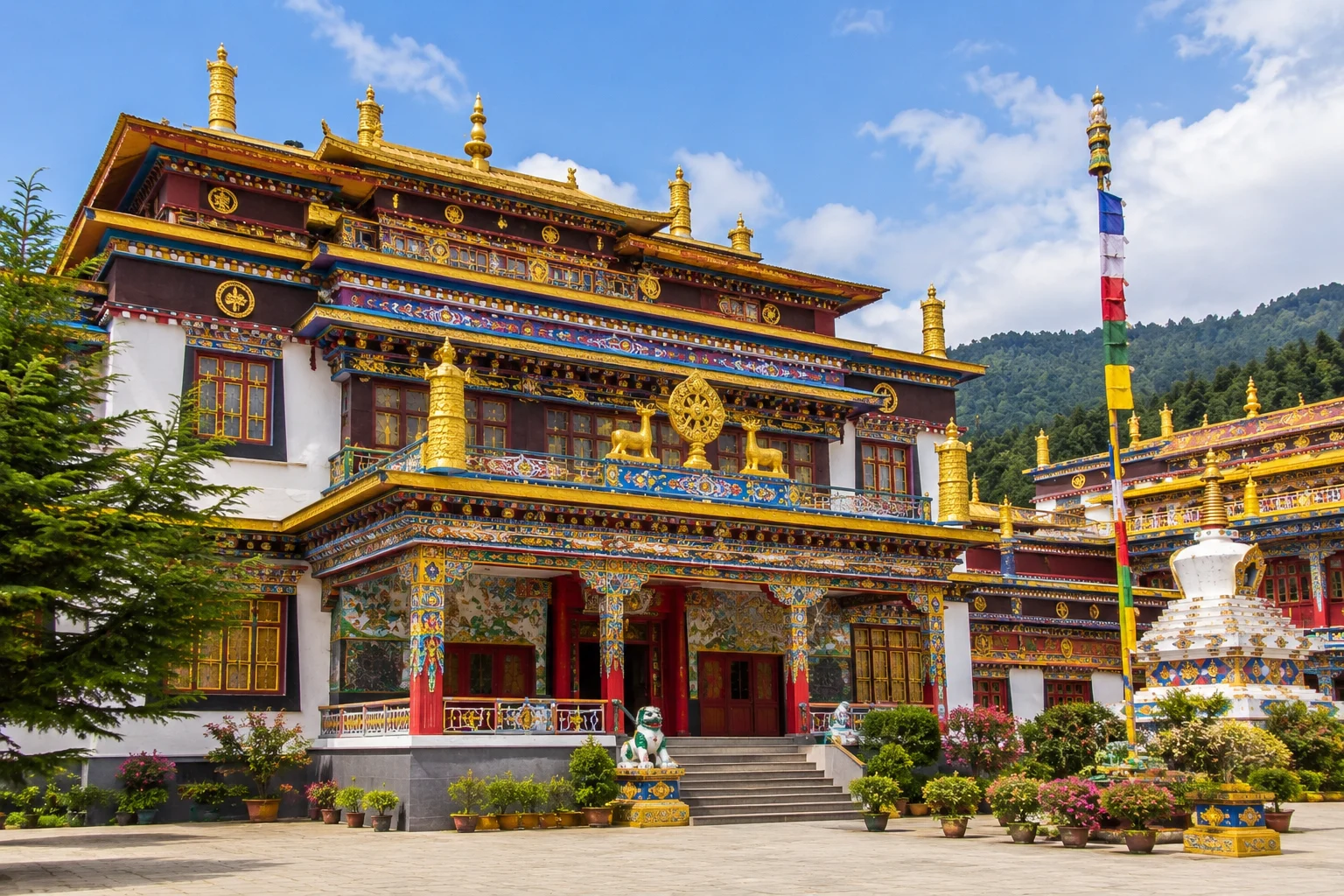
Visitor Guidelines
A visit to Mindrolling Monastery is generally simple, but visitors should remember that it is a religious and spiritual place rather than only a tourist attraction. Being respectful of the surroundings is more important than following a complicated set of rules.
Visitors should dress comfortably but modestly. There is no need for formal clothing, but very casual or inappropriate clothing should be avoided. Since people may be praying or meditating nearby, it is also better to keep conversations quiet.
Photography should be done carefully. The exterior areas can be visually appealing, but some religious areas may have restrictions. If you are unsure whether photography is allowed in a particular place, it is better to ask someone at the monastery rather than taking pictures without permission.
A few simple points can help make your visit comfortable:
- Maintain a quiet and peaceful manner inside religious areas.
- Dress respectfully when visiting the monastery.
- Follow signs and instructions provided within the complex.
- Avoid disturbing people who are praying or meditating.
- Ask before photographing restricted or religious areas.
- Keep the surroundings clean and use designated waste bins.
- Give yourself enough time to explore instead of rushing through the complex.
It is also a good idea to check the current visiting conditions before travelling, especially if you are visiting during a festival, religious event, or holiday period. Opening arrangements and access to certain areas can sometimes change.
The best way to experience the monastery is to treat it as both a tourist attraction and a place of worship. A little patience and respect can make the visit pleasant for you as well as for the people who come here for spiritual reasons.
For travellers searching for Buddhist spiritual places in Uttarakhand, this is one of the places where the spiritual side of the region can be experienced without travelling far from Dehradun city.
Nearby Attractions
One advantage of visiting Mindrolling Monastery is its location in Dehradun. You can combine the monastery with several other attractions instead of making a separate trip just for one place. This is especially useful for travellers who have limited time in the city.
Clement Town itself has a strong Tibetan influence, and visitors can notice this in the local atmosphere, food, shops, and community. Spending some time around the area can add another layer to the monastery visit and help travellers understand its cultural setting.
Dehradun also has several other places that can be included in a sightseeing plan. Depending on your available time, you can combine a peaceful monastery visit with parks, museums, markets, or other local attractions.
Some places and experiences you can consider adding to your itinerary include:
- Clement Town: Explore the area around the monastery and experience its local Tibetan influence.
- Dehradun city attractions: Add local sightseeing spots to make better use of your day.
- Local food experiences: Try Tibetan and North Indian food available in and around the city.
- Markets and shopping areas: Explore Dehradun’s local markets for everyday items, snacks, and souvenirs.
- Other spiritual attractions: If you enjoy peaceful places, consider adding other religious and cultural sites to your itinerary.
If you have more time, you can also plan a longer Dehradun trip that includes nearby natural attractions. The city is surrounded by green landscapes and is located close to several popular destinations in Uttarakhand.
For travellers interested in Tibetan monasteries in Dehradun, exploring the surrounding Clement Town area is also useful because the experience does not end when you leave the monastery gates. The local environment gives you a better understanding of the community and culture connected with the monastery.
A simple itinerary could include a morning visit to the monastery, lunch nearby, and then an afternoon exploring another part of Dehradun. This keeps the day relaxed rather than making it feel like a checklist of tourist spots.
Conclusion
Mindrolling Monastery is one of those places in Dehradun where you can enjoy history, architecture, spirituality, and Tibetan culture in one visit. Its peaceful surroundings and beautiful Great Stupa make it a refreshing stop for anyone exploring the city. If you are planning a Dehradun trip, it is worth keeping a few hours aside to experience this unique side of the city. And if your Dehradun visit also includes shopping for a special occasion, Kashmiri Sons can be another place worth exploring. With a long presence in the city since 1975, the brand offers designer clothing, traditional wear, and wedding collections for different occasions. From bridal lehengas and sarees to men’s wedding and ethnic wear, it can be a useful stop after exploring the city’s cultural attractions. Whether you are visiting Dehradun for its peaceful places, local culture, or shopping experiences, combining these different parts of the city can make your trip more enjoyable. Take your time, explore at your own pace, and enjoy what makes Dehradun different from the usual tourist destinations.
People Also Ask
What is the history behind Mindrolling Monastery?
Mindrolling Monastery in Dehradun was established by Tibetan Buddhist followers to preserve their spiritual traditions and culture in India. It is associated with the Nyingma tradition of Tibetan Buddhism.
Who is the spiritual head of Mindrolling Monastery?
The monastery is traditionally guided by the Mindrolling Trichen, the head of the Mindrolling lineage. The role is connected with preserving its Buddhist teachings and traditions.
Is Buddha Temple the same as Mindrolling Monastery?
Yes, they generally refer to the same Buddhist complex in Clement Town, Dehradun. It is popularly called Buddha Temple because of its large Buddhist stupa and temple complex.
What are the main things Mindrolling Monastery is famous for?
Frequently Asked Questions About Mindrolling Monastery
Is Mindrolling Monastery worth visiting in Dehradun?
Yes. It is worth visiting for its impressive stupa, Tibetan architecture, Buddhist artwork, peaceful surroundings, and cultural importance. It is suitable for both first-time visitors and people interested in Buddhist traditions.
How much time should I spend at Mindrolling Monastery?
Around 1–2 hours is usually enough for a relaxed visit. You may want to spend longer if you enjoy photography, architecture, or simply sitting quietly and enjoying the surroundings.
Is Mindrolling Monastery suitable for tourists who are not Buddhist?
Yes. Visitors from different backgrounds can visit and appreciate the architecture, artwork, culture, and peaceful environment. The main thing is to respect the religious nature of the place.
What is special about Mindrolling Monastery?
Its large Great Stupa, Tibetan Buddhist architecture, detailed artwork, and peaceful atmosphere make it special. It is also an important part of the Tibetan Buddhist and cultural presence in Dehradun.
Can I visit Mindrolling Monastery with other Dehradun attractions?
Yes. The monastery can easily be included in a wider Dehradun sightseeing plan. You can combine the visit with nearby cultural attractions, local food experiences, markets, and other places around the city.